8 July 2026
Teseo, HWV 9: A Bold Baroque Opera
On Classicapedia: George Frideric Handel, Philippe Quinault, Jean-Baptiste Lully, Nicola Francesco Haym
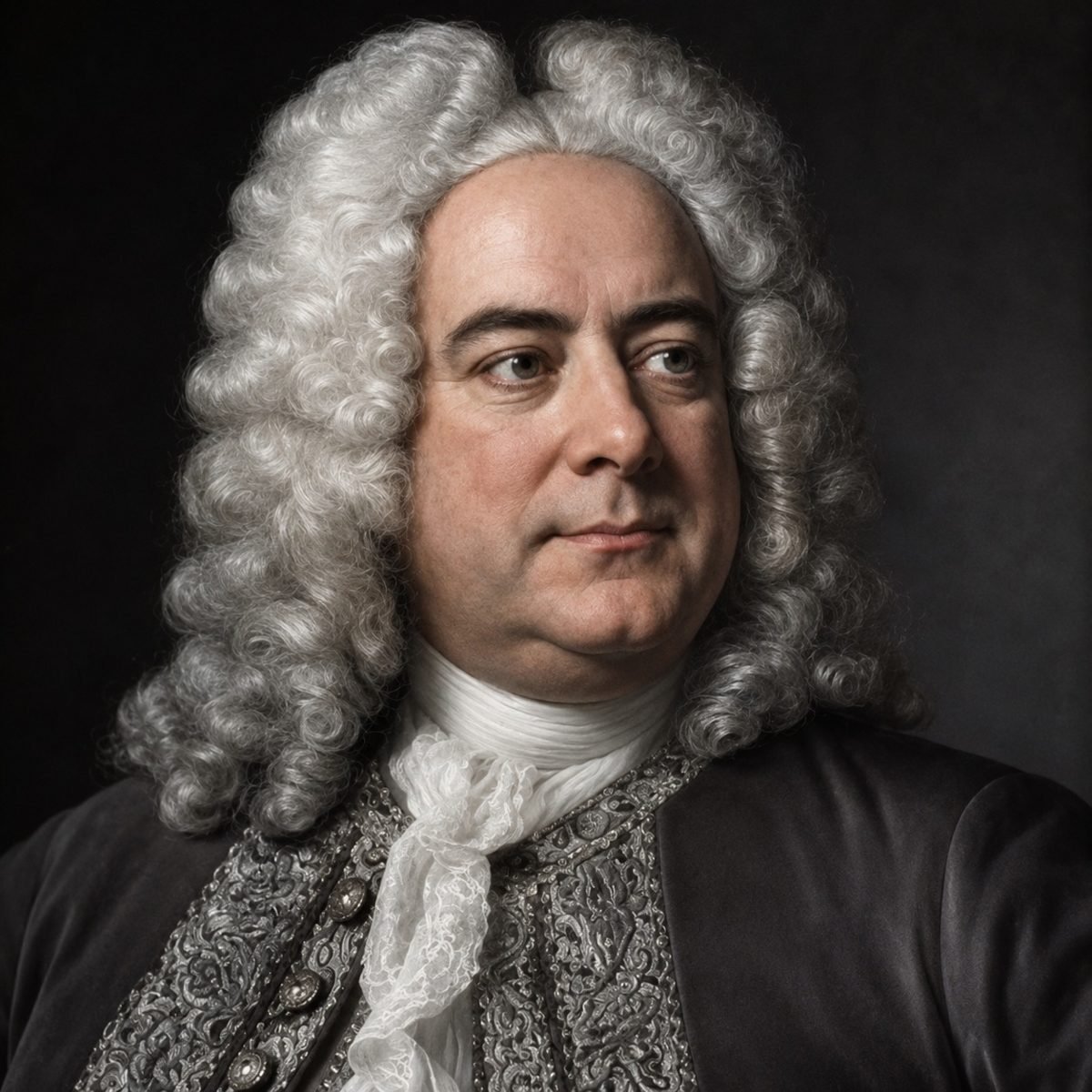
George Frideric HANDEL (1685–1759)
Teseo, HWV 9
Opera seria in 5 acts
London, 1713
Libretto: Nicola Francesco Haym
after Philippe Quinault, Thésée
CAST
Carlotta Colombo, soprano — Medea
Anna Koehler, soprano — Clizia
Teresa Marut, soprano — Agilea
Matylda Staśto-Kotuła, mezzo-soprano — Egeo
David Hansen, alto — Teseo
Kacper Szelążek, alto — Arcane
Marek Opaska, bass — Sacerdote di Minerva
PERFORMERS
Capella Cracoviensis
DIR: ALESSANDRO MOCCIA
RECORDING
Recorded: Feb 19, 2026
ICE, Cracow
Period instruments
The Composition of a Daring Baroque Opera
Teseo, HWV 9, is one of the most fascinating works from Handel’s early London years. Composed for the 1713 season, it belongs to the period in which Handel was consolidating his position as the leading operatic composer in London. After the great success of Rinaldo in 1711 and Il pastor fido in 1712, Handel was still adapting Italian opera to English taste, experimenting with dramatic structure, theatrical spectacle, and vocal brilliance.
The opera was based on the French tragédie lyrique Thésée by Philippe Quinault, originally set by Jean-Baptiste Lully. The Italian libretto was adapted by Nicola Francesco Haym, one of Handel’s most important collaborators in London. This origin explains one of the opera’s unusual features: unlike the standard Italian opera seria of the time, which normally had Three acts, Teseo retained a five-act structure, closer to the French model.
This makes Teseo one of Handel’s most structurally distinctive operas. It is not merely a sequence of arias; it has a more continuous theatrical atmosphere, with strong emphasis on magic, jealousy, political intrigue, love, revenge, and supernatural spectacle. The central dramatic force is not only the heroic figure of Teseo, but above all Medea, one of the most powerful female characters in Handel’s operatic world. Her music gives the opera much of its psychological intensity: rage, tenderness, manipulation, despair, and destructive passion.
The first performances took place in London in 1713 at the Queen’s Theatre in the Haymarket. The production was ambitious, but it was also surrounded by practical and managerial difficulties. The impresario Owen Swiny became associated with the opera’s troubled staging history, and the production was remembered partly for the financial and theatrical complications that accompanied it. Yet musically, Teseo reveals Handel at a remarkable moment of invention.
The score combines Italian vocal virtuosity with traces of French dramatic taste. Handel writes brilliant arias for the principal singers, but he also creates a darker and more theatrical world than in some of his earlier London works. The opera’s emotional range is wide: noble love, pastoral tenderness, royal conflict, jealousy, sorcery, and moral resolution.
Teseo is therefore important not only because it is an early Handel opera, but because it shows him experimenting boldly with form, source, and dramatic character. It stands at the crossroads between French theatrical tradition and Italian opera seria, transformed by Handel’s own genius into a work of dramatic tension, melodic beauty, and extraordinary expressive power.
In the history of Handel’s operas, Teseo remains a singular creation: a five-act opera seria full of magic, passion, intrigue, and Baroque splendour.