26 February 2026
Claude Debussy: The Piano Rebel (1862–1894)
On Classicapedia: Claude Debussy, Antoine-François Marmontel, Ernest Guiraud
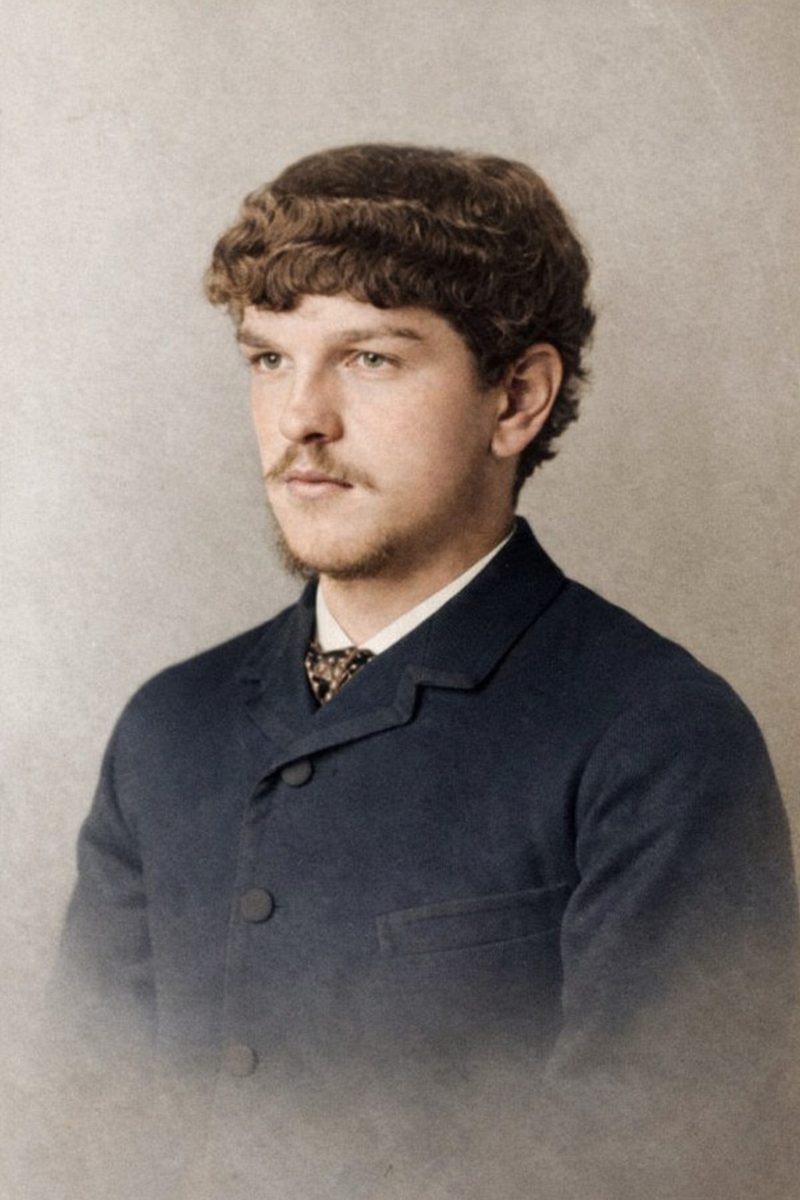
I. A CHILD OUTSIDE THE SYSTEM (1862–1872)
Claude Achille Debussy was born on 22 August 1862 in Saint-Germain-en-Laye, near Paris. Unlike many major composers, he did not grow up in a strongly musical household. His father ran a china shop; his mother was a seamstress. Nothing in the family background predicted the emergence of one of the most revolutionary musical minds of the modern era.
The decisive turning point came during the Franco-Prussian War (1870–1871), when the family took refuge in Cannes. There, the young Debussy received his first piano lessons from Madame Mauté de Fleurville, a cultivated amateur who claimed (perhaps with some exaggeration) to have studied with Frédéric Chopin.
Why This Early Contact Matters
From the beginning, Debussy absorbed:
A flexible, singing piano style
Sensitivity to color rather than brute technique
An instinctive dislike of rigid academic drill
These traits would later place him in permanent tension with the Paris Conservatoire system.
II. THE PARIS CONSERVATOIRE: A GENIUS IN RESISTANCE (1872–1884)
At just 10 years old, Debussy entered the Paris Conservatoire (1872) — an institution he would both absorb and quietly undermine.
His Principal Teachers
Piano: Antoine François Marmontel
Representative of the orthodox French school
Emphasized clarity, tradition, and correct style
Recognized Debussy’s gifts but worried about his independence
Harmony: Émile Durand
Strict academic training
Focus on rule-based harmonic writing
Frequently frustrated by Debussy’s “incorrect” solutions
Composition (later): Ernest Guiraud
Perhaps the most important formal teacher
More tolerant of Debussy’s originality
Encouraged professional discipline
ANECDOTE — THE HARMONY SCANDAL
One famous Conservatoire report complained that Debussy showed:
“A bizarre love of unresolved dissonances.”
Teachers repeatedly marked his harmony exercises as technically incorrect but strangely compelling. This moment is psychologically revealing: Debussy was not rebelling for effect — his ear genuinely heard music differently.
A professor reportedly warned:
“He will never respect the rules.”
History, of course, decided otherwise.
III. THE VON MECK EPISODE (1880–1882)
A crucial formative episode came when the young Debussy worked as house pianist for Nadezhda von Meck, the wealthy patron of Pyotr Ilyich Tchaikovsky.
Between 1880 and 1882, Debussy traveled with her household across:
Russia
Switzerland
Italy
Why This Period Was Psychologically Decisive
For the first time Debussy encountered:
Russian musical color
Tchaikovsky’s orchestral language
Non-French musical atmospheres
The life of an independent artist outside Paris
Important anecdote: During one visit, Debussy reportedly played four-hand piano music with Tchaikovsky present in the house. While the meeting was brief, the young Frenchman was deeply impressed by the Russian’s orchestral imagination — though he would later move in a very different direction.
IV. THE PRIX DE ROME — SUCCESS AND RESISTANCE (1884–1887)
In 1884, Debussy won the Prix de Rome with the cantata L’Enfant prodigue — officially crowning him as a model Conservatoire product.
Yet the victory was paradoxical.
The Rome Problem
During his required stay at the Villa Medici (1885–1887), Debussy grew increasingly restless. His letters from Rome reveal:
Boredom with academic expectations
Frustration with official taste
Growing fascination with new harmonic colors
Psychological turning point: Instead of consolidating Conservatoire orthodoxy, Rome accelerated his inner rebellion.
One letter complains that the Academy wanted music that was:
“Properly made... but without imagination.”
V. THE BIRTH OF A NEW LANGUAGE (1887–1894)
Back in Paris, Debussy entered the decisive experimental phase that would lead toward modern musical Impressionism.
Key Early Works
Printemps (1887)
Cinq poèmes de Baudelaire (1887–1889)
Suite bergamasque (begun 1890)
Prélude à l’après-midi d’un faune (1892–1894)
Here we see the full emergence of his mature instincts:
Floating harmony
Modal color
Orchestral transparency
Anti-German structural thinking
Essential moment: The premiere of Prélude à l’après-midi d’un faune in December 1894 marked the true arrival of Debussy as a revolutionary voice.
VI. DEBUSSY - A SMALL BUT INFLUENTIAL CIRCLE
Debussy was not a systematic pedagogue, but he did influence a number of younger musicians.
Notable Pupils and Disciples
Maurice Ravel (indirect influence)
Not formally his student
Deeply affected by Debussy’s harmonic innovations
Erik Satie (mutual influence)
More colleague than pupil
Shared anti-academic tendencies
Raoul Bardac (family circle pupil)
Received direct guidance
Important perspective: Debussy’s true “students” were often aesthetic descendants rather than classroom pupils.
VII. CONCLUSION — THE ANTI-ACADEMIC MASTER
From childhood to the Faune premiere, the trajectory of Claude Debussy reveals a consistent psychological pattern: